When it comes to joining metals, two common techniques are welding and brazing. Both methods are essential in various industries, from mining and construction to boilermaking and plumbing. However, they serve different purposes and have distinct characteristics. Let’s dive into the key differences between welding and brazing.
Process and Temperature
Welding:
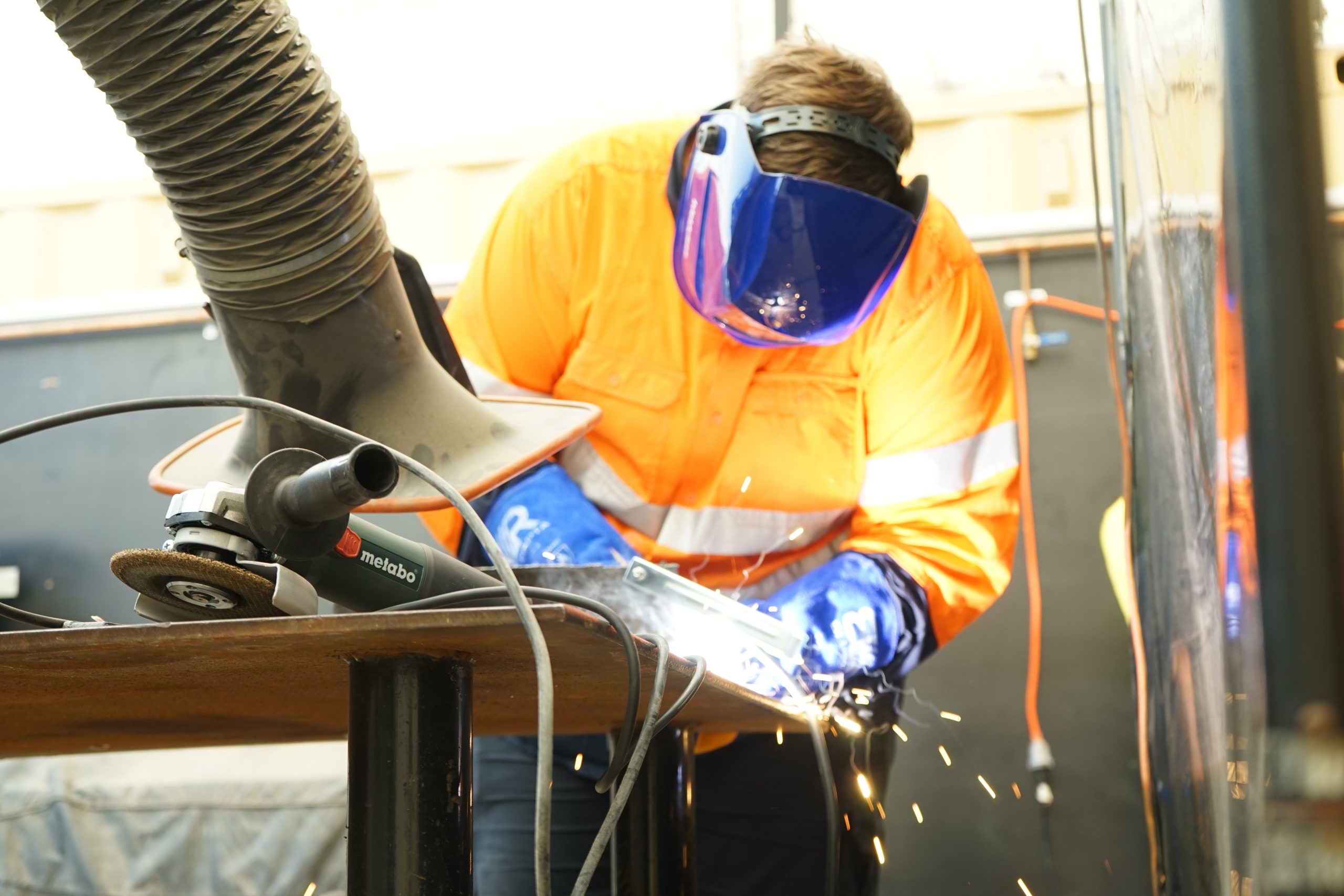
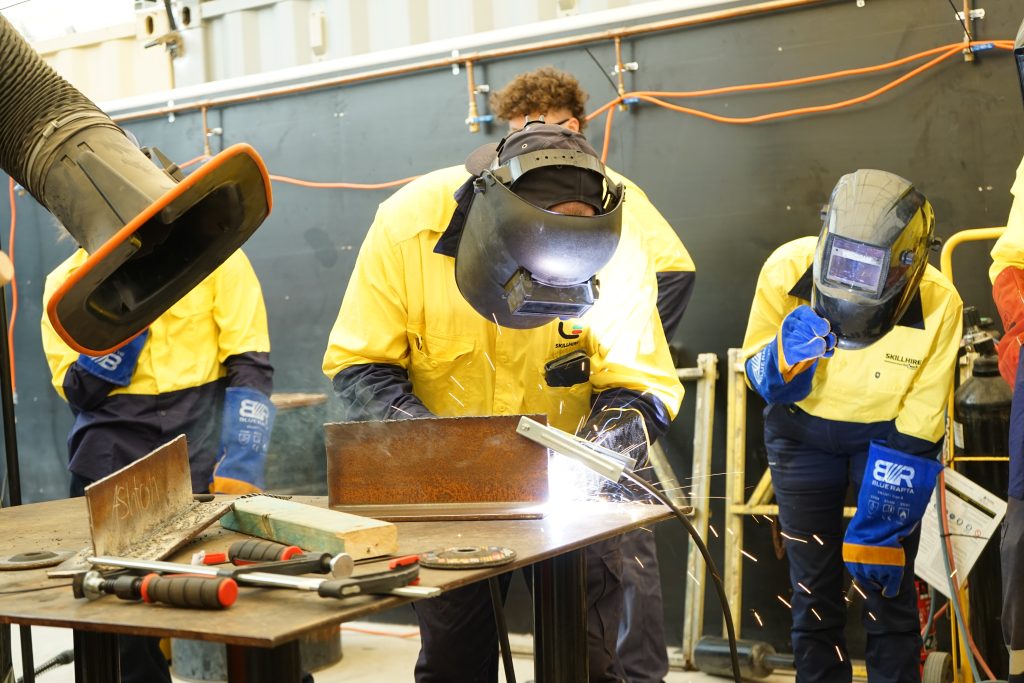
- Process: Welding involves melting the base metals to be joined, along with a filler material (if used), to create a strong, fused joint.
- Temperature: Welding typically requires high temperatures, often exceeding the melting point of the base metals. This can range from 1,000°C to 6,000°C (1,832°F to 10,832°F) depending on the materials being joined.
Brazing:
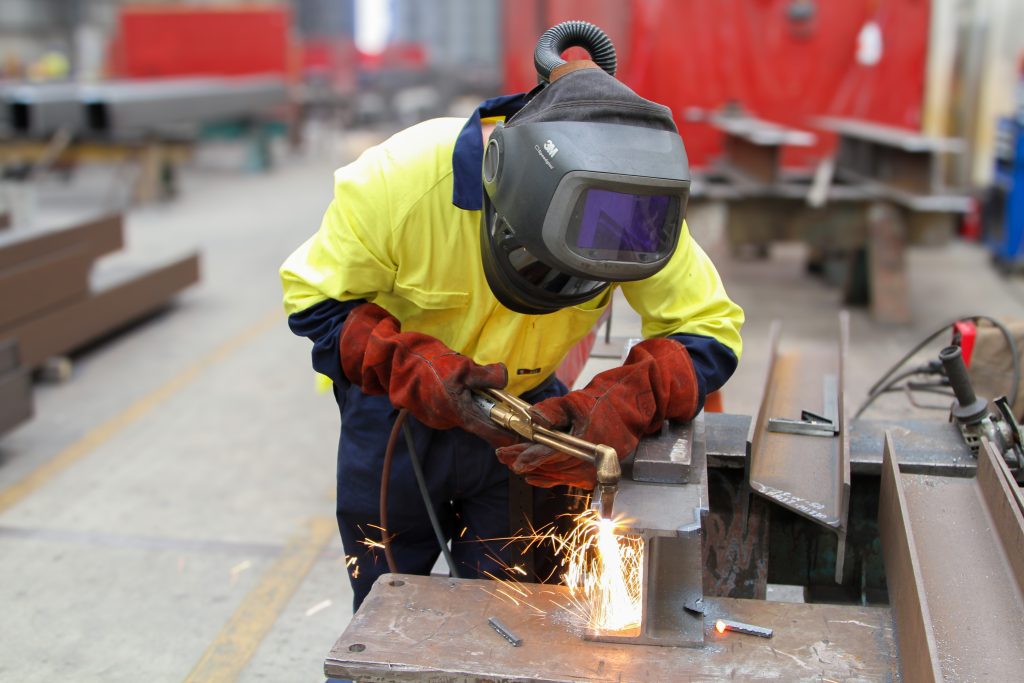
- Process: Brazing involves heating a filler metal to a temperature below the melting point of the base metals. The filler metal flows into the joint by capillary action and solidifies to create a strong bond.
- Temperature: Brazing typically requires lower temperatures, usually between 450°C and 900°C (842°F to 1,652°F).
Strength and Integrity
Welding:
- Strength: Welding creates a very strong, often seamless joint. The fusion of the base metals results in a bond that is as strong as, or sometimes stronger than, the original materials.
- Integrity: Welded joints are highly durable and can withstand high stress and extreme conditions, making them ideal for structural applications.
Brazing:
- Strength: Brazing also creates strong joints, but they are generally not as strong as welded joints. The strength of the joint depends on the filler metal and the fit of the parts.
- Integrity: Brazed joints are less likely to distort the base metals and can be used in applications where precise fit and finish are important.
Material Compatibility
Welding:
- Materials: Welding is typically used for joining similar metals, such as steel to steel or aluminum to aluminum. It is less suitable for joining dissimilar metals due to the high temperatures involved.
- Applications: Common applications include structural steelwork, automotive manufacturing, and shipbuilding.
Brazing:
- Materials: Brazing can join both similar and dissimilar metals, including metals with different melting points. It is also suitable for joining metals to non-metals, such as ceramics.
- Applications: Common applications include plumbing*, HVAC systems, and the manufacturing of tools and components.
Heat Affected Zone (HAZ)
Welding:
- HAZ: The high temperatures used in welding can create a heat-affected zone (HAZ) around the joint, which can alter the properties of the base metal. This can lead to issues like reduced strength or increased brittleness.
- Distortion: The high heat can also cause significant distortion in the base metals, especially in thin or complex parts.
Brazing:
- HAZ: Brazing uses lower temperatures, which minimizes the heat-affected zone and reduces the risk of altering the properties of the base metals.
- Distortion: The lower temperatures also reduce the risk of distortion, making brazing suitable for delicate or intricate parts.
Equipment and Cost
Welding:
- Equipment: Welding requires specialized equipment such as welding machines, protective gear, and shielding gases. The initial setup can be more expensive.
- Cost: The cost of welding can be higher due to the need for more advanced equipment and the higher energy consumption.
Brazing:
- Equipment: Brazing can be performed with simpler equipment, such as torches and fluxes. The initial setup is generally less expensive.
- Cost: The lower temperatures and simpler equipment make brazing a more cost-effective option, especially for smaller or less complex projects.
Skill Level
Welding:
- Skill Level: Welding requires a high level of skill and precision. Proper technique is crucial to ensure a strong, high-quality joint. Certification and training are often necessary.
- Training: Welders typically undergo extensive training and certification to ensure they can perform the job safely and effectively.
Brazing:
- Skill Level: Brazing is generally easier to learn and perform, making it accessible to a wider range of workers. However, proper technique is still important to achieve a strong, reliable joint.
- Training: While brazing can be learned more quickly, some training and practice are still necessary to master the technique.
Conclusion
Both welding and brazing are valuable techniques with their own unique advantages and applications. Welding is ideal for creating strong, durable joints in structural and high-stress applications, while brazing is better suited for joining dissimilar materials and maintaining the integrity of delicate parts. Understanding the differences between these two processes can help you choose the right method for your specific needs. Whether you’re a professional in the manufacturing industry or a DIY enthusiast, knowing when to use welding or brazing can make all the difference in the quality and longevity of your projects.
Does this sound like you? Need more information?
- Interested in Welding? – start your career with Skill Hire. To find out more about a Welding and Boilermaking Apprenticeship, go to Boilermaker Apprenticeship (Welding Apprenticeship) | Become a Boilermaker
- *Interested in plumbing? Find out more about how to become a plumber through NextGen Skills, the leaders in plumbing training and employment, at https://nextgenskills.com.au/education-and-training/full-time-pre-apprenticeships
- If you want to know more general information about how to get started in apprenticeship or traineeship, find out more at How to start an Apprenticeship | Skill Hire
- Need more help in choosing where to specialize? Where you can specialise | Skill Hire
- Are you wondering what some reasons are why you should consider an apprenticeship or traineeship? Read more Reasons to take on an Apprenticeship or Traineeship – Employment Training Agency | Skill Hire